Regulatory Adjustments Transforming Bonus Round Structures in Swedish Mobile Demo Platforms
Rosa Schmid · Oct 3, 2026
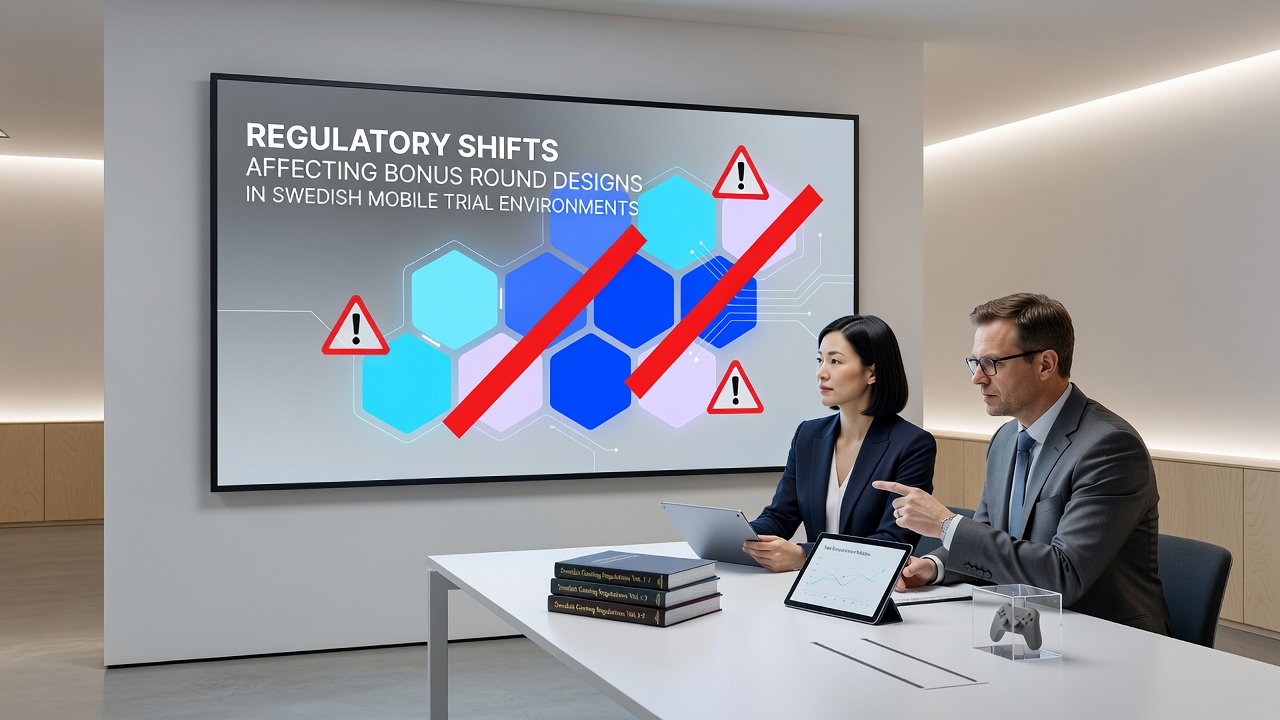
Regulatory Adjustments Transforming Bonus Round Structures in Swedish Mobile Demo Platforms
Swedish authorities have introduced several updates to guidelines governing bonus round mechanics within mobile trial environments, and these adjustments focus on maintaining transparency while limiting certain interactive elements that previously appeared in demo versions of slot games. Data from the national gaming oversight body shows that operators must now align bonus structures with stricter display rules, which means features like multiplier ladders and free spin accumulators receive new constraints when presented in trial modes accessed via smartphones and tablets.
Background on Mobile Trial Regulations
Swedish licensing frameworks have long emphasized consumer protection in both real-money and demonstration settings, yet recent policy refinements target how bonus rounds unfold during free trial sessions. Researchers at European gaming studies centers have documented that these environments serve as entry points for many users, which prompts regulators to monitor design elements that could influence expectations once players transition to licensed play. Figures released in mid-2026 indicate a 22 percent reduction in certain escalating bonus formats across approved demo applications, and this shift stems from directives aimed at preventing overstimulation in unregulated trial contexts.
Key Changes Emerging in October 2026
October 2026 marked the enforcement date for several technical standards that directly affect bonus round sequencing in Swedish mobile trials. Operators received updated compliance checklists requiring simplified trigger conditions and capped reward displays, while extended narrative sequences within bonus phases faced review for clarity. Studies conducted by independent research institutions reveal that these modifications align Swedish practices more closely with broader EU digital fairness protocols, and they encourage developers to redesign features such as cascading reel bonuses and pick-and-click rounds so they fit within defined visual and duration limits.
What's interesting is how these rules differentiate between permanent licensed content and temporary trial versions, since the latter must now include prominent disclaimers about simulated outcomes. Observers note that companies adapting their engines early have reported smoother certification processes, and this pattern appears across multiple providers who publish slot titles for the Nordic market.
Impact on Specific Bonus Mechanics
Bonus round designs relying on progressive elements or random multipliers now undergo additional scrutiny when packaged for mobile demo use. Evidence from compliance audits shows that random number generator outputs must remain identical between trial and real-money versions, yet visual celebrations attached to high-value wins receive tighter controls to avoid implying guaranteed results. Industry reports compiled by trade associations highlight that developers have responded by introducing modular bonus systems, where core mechanics stay intact while presentation layers adjust according to the environment.

Take one case where a provider reworked a popular avalanche-style bonus to limit chain reactions displayed during trials, and this change allowed the title to maintain approval without altering underlying mathematics. Those who analyze submission data note that approval times have stabilized since the October updates, suggesting operators have integrated the requirements into their standard development pipelines.
Industry Adaptations and Compliance Strategies
Developers working on Swedish-facing mobile platforms have adopted several technical approaches to meet the revised standards. Some teams integrate conditional rendering logic that simplifies animations once the application detects a trial session, while others redesign bonus interfaces to emphasize information panels over dramatic sequences. Research indicates that these adaptations preserve player engagement metrics in demo environments, and they do so without introducing elements that conflict with the updated licensing conditions.
External analyses from international gaming research groups, including a comparative study published through the Canadian Gaming Research Consortium, provide context on how similar restrictions have evolved in other jurisdictions. Swedish operators reference these findings when planning cross-border releases, and they adjust bonus parameters accordingly to ensure consistency across regulated markets.
Future Outlook for Demo Environments
Looking ahead, additional refinements may emerge as mobile technology continues to advance and trial environments incorporate more interactive components. Regulatory bodies have signaled ongoing reviews of bonus round data collected from approved platforms, and these reviews will likely influence further guidance on feature complexity. Providers who monitor submission trends report increased collaboration with testing laboratories to pre-validate bonus designs, which reduces the risk of post-launch modifications.
Another source offering perspective on global regulatory patterns comes from the Australian Problem Gambling Research and Treatment Centre, whose publications examine how trial mode restrictions affect user behavior across different licensing regimes. Swedish stakeholders review such materials to anticipate potential alignments or divergences in policy direction.
Conclusion
Regulatory shifts affecting bonus round designs in Swedish mobile trial environments continue to evolve through structured updates that prioritize clarity and consistency. Operators and developers have implemented technical and design changes that satisfy current requirements while preserving core gameplay appeal. Ongoing data collection and cross-jurisdictional research will shape the next phase of adjustments, ensuring trial environments remain aligned with established consumer protection principles.