Sweden's Oversight Structures Shaping Jackpot Modifications in Mobile Demo Platforms
Tina Fischer · Oct 31, 2026
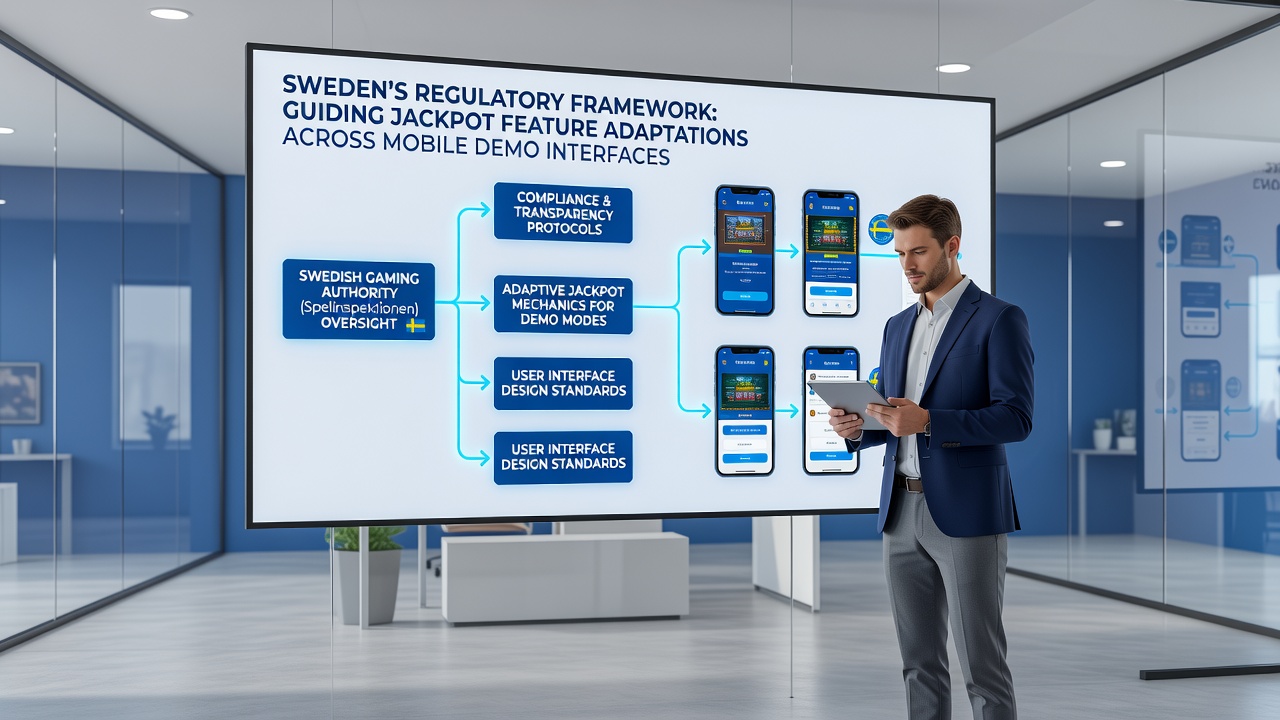
Sweden's Oversight Structures Shaping Jackpot Modifications in Mobile Demo Platforms
Sweden maintains a structured system through the Gambling Act that directs how operators adjust jackpot elements when creating mobile demonstration versions of slot games, and these rules emphasize player protection during free play sessions where real money is not involved. Data from the national authority shows that demo interfaces must mirror certain aspects of live play while preventing any misleading representations of jackpot potential, which leads developers to implement scaled-down win animations and capped prize displays in test environments.
Core Requirements for Demo Adaptations
Operators must ensure jackpot features in mobile demos align with transparency mandates that require clear labeling of simulated outcomes, and this approach stems from amendments introduced in prior years that extended oversight to non-monetary play modes. Research indicates developers often modify trigger mechanisms so that progressive elements reset or display fictional balances rather than actual accumulating pools, and such changes help maintain compliance while still allowing users to experience core gameplay loops on smartphones and tablets.
Those reviewing the framework note that mobile-specific constraints, including screen size and touch interactions, further influence how jackpot celebrations are adapted, with shorter sequences and simplified graphics becoming standard in demo builds. Figures from industry reports reveal a consistent pattern where companies test these modifications internally before public release, and the process involves documentation submitted to regulators for review.
Technical Adjustments in Mobile Environments
Developers working on Swedish-regulated platforms frequently incorporate conditional coding that disables real jackpot contributions during demo sessions, and this technical layer connects directly to broader rules on fair presentation of game mechanics. One study revealed that such adaptations reduce the risk of users forming inaccurate expectations when transitioning to paid versions, and the guidelines encourage the use of neutral terminology like "simulated jackpot" in interface text.
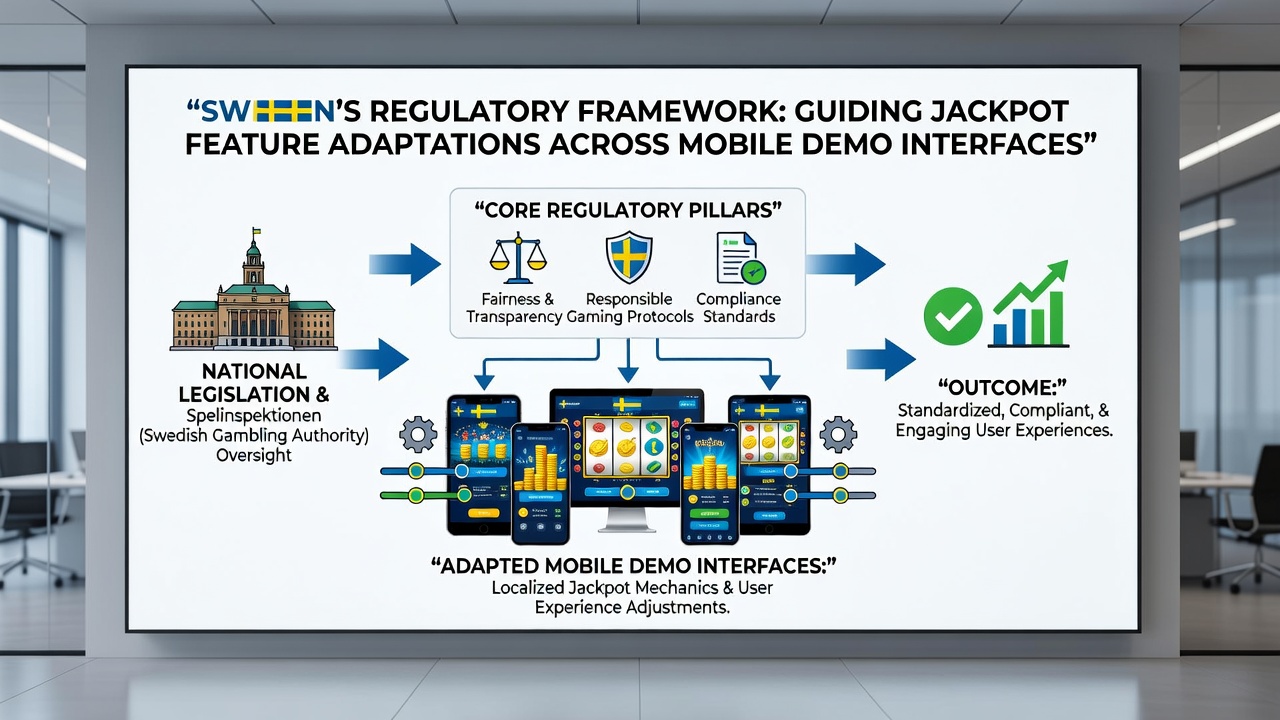
What's interesting is how these modifications extend to sound design and visual feedback, where jackpot sounds may be muted or replaced with generic alerts in mobile demos to avoid overstimulation. According to data compiled by the Swedish Gambling Authority, compliance checks in 2026 have focused increasingly on these sensory elements, and operators report that updates to testing protocols now include automated scans for prohibited jackpot representations.
Developments Around October 2026
Regulatory briefings scheduled for October 2026 address emerging questions about integrating new mobile technologies with existing jackpot guidelines, and experts anticipate further clarifications on how augmented reality elements in demos should handle prize simulations. Observers note that previous cycles of updates have led to standardized templates for feature adaptations, which in turn streamline approval processes for smaller development studios entering the Swedish market.
Those who've examined enforcement actions find that penalties for non-compliant demo jackpots have remained measured, focusing instead on corrective guidance rather than immediate sanctions, and this pattern encourages proactive dialogue between regulators and industry participants. Reports from the OECD highlight parallel approaches in other jurisdictions, yet Sweden's model places particular weight on pre-launch verification of mobile demo files.
Impacts on Game Development Practices
Game studios adapting titles for Swedish audiences routinely build separate code branches for demo modes that limit jackpot frequency and scale, and these branches undergo review to confirm they meet criteria for responsible presentation. Evidence suggests the practice has contributed to more uniform user experiences across different mobile devices while preserving the integrity of the underlying regulatory intent. People involved in certification processes often describe the documentation requirements as detailed but consistent, allowing teams to anticipate necessary changes early in the design phase.
Conclusion
Sweden's regulatory approach continues to guide precise adaptations of jackpot features within mobile demo interfaces through a combination of technical mandates, transparency rules, and ongoing review cycles. The framework supports safe exploration of game mechanics without exposing users to misleading simulations, and operators maintain detailed records to demonstrate alignment with these standards. As mobile platforms evolve, the emphasis on verified demo modifications remains a central element of compliance efforts in the jurisdiction.