Tracing the Evolution of Interactive Demo Modes Supporting Progressive Wins in Swedish Gambling Applications
Tina Fischer · Sep 19, 2026
Tracing the Evolution of Interactive Demo Modes Supporting Progressive Wins in Swedish Gambling Applications
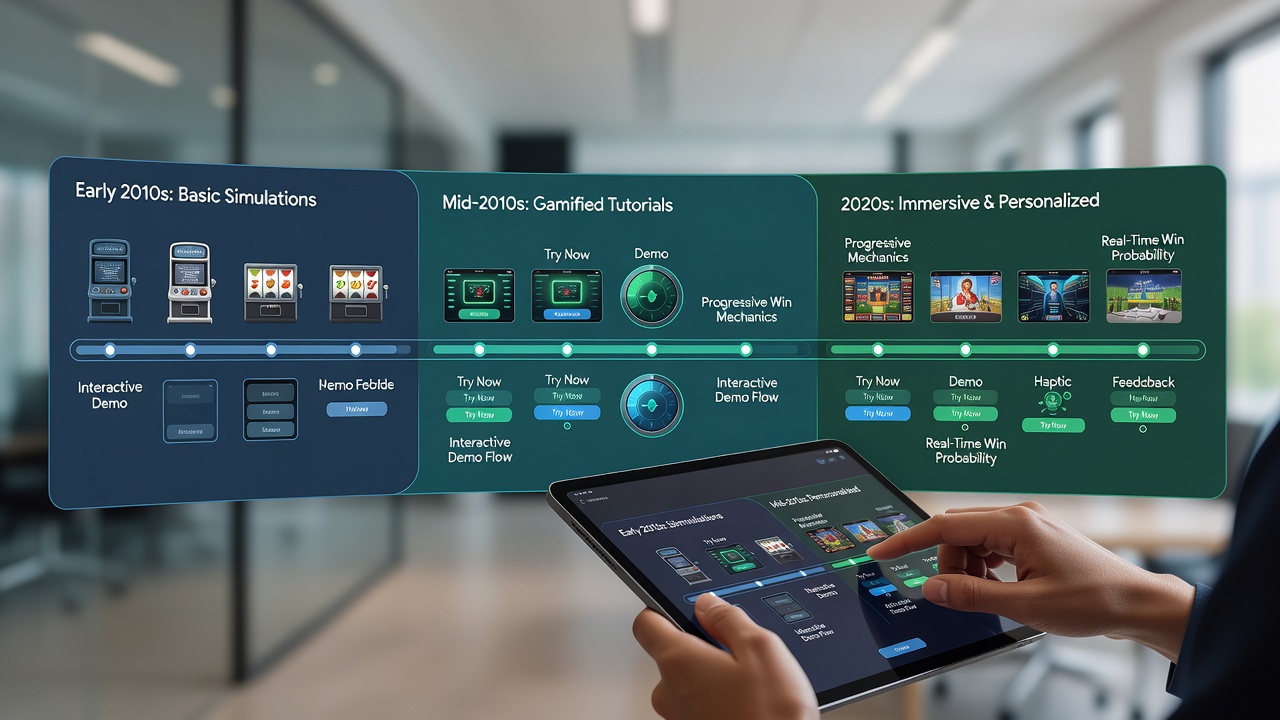
Swedish gambling applications began incorporating interactive demo modes during the mid-2010s as operators responded to licensing requirements introduced under the 2019 re-regulation of the market, and these modes allowed users to test game mechanics without financial commitment while developers integrated tracking systems for progressive jackpot accumulation. Early implementations focused on basic simulations that mirrored live gameplay, yet they lacked real-time synchronization with central progressive pools managed by licensed providers. Observers note that the Swedish Gambling Authority, known as Spelinspektionen, emphasized consumer protection features which encouraged the inclusion of demo environments to demonstrate payout structures before players transitioned to real-money sessions.
Initial Technological Foundations and Regulatory Drivers
Development accelerated after the passage of the Swedish Gambling Act, when operators needed to comply with strict bonus and marketing restrictions that limited promotional incentives, so companies turned to demo modes as a compliant way to showcase game features including progressive win mechanics. Data from industry reports indicate that between 2018 and 2021 many platforms adopted HTML5-based frameworks that enabled seamless demo-to-live transitions while preserving the integrity of jackpot contribution calculations across multiple connected games. Researchers at institutions such as the European Gaming and Betting Association documented how these early systems used server-side simulations to replicate progressive meter growth without exposing actual player funds to risk.
Integration of interactive elements such as adjustable bet levels and payline selections within demos emerged as a standard feature because regulators required transparency in how progressive contributions scaled with wager size, and this approach helped clarify complex mechanics for users exploring titles on mobile devices. Case examples from major Swedish-licensed operators show that demo modes began logging simulated win events to mirror the statistical models used in live environments, thereby preparing players for the variance patterns associated with progressive jackpot triggers.
Advancements in Real-Time Synchronization and User Interaction
By 2022 several providers introduced enhanced demo interfaces that displayed live progressive meter values drawn from aggregated data across international player bases, while still operating within the isolated demo session to prevent actual contributions until real-money play commenced. This development coincided with improvements in mobile network stability across Sweden, allowing smoother streaming of dynamic jackpot information without latency issues that previously disrupted user engagement. Studies conducted by academic teams at Canadian universities highlighted how such synchronized demos improved user comprehension of progressive structures compared with static payout tables.
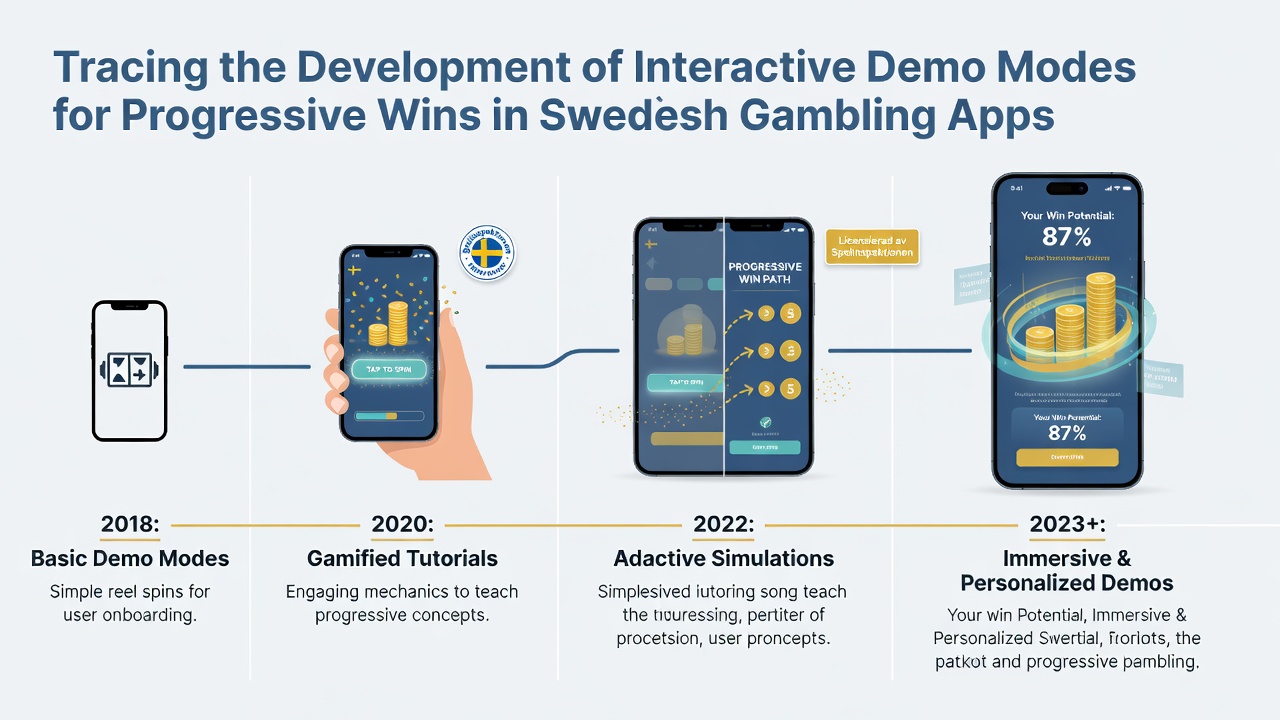
Further refinements appeared in 2024 when developers incorporated gesture-based controls and AR preview layers into demo modes, enabling players to visualize potential progressive win scenarios in three-dimensional formats on supported smartphones. These additions maintained strict separation between demo and paid play while providing detailed breakdowns of contribution percentages allocated to different jackpot tiers. Figures from market analyses reveal that engagement metrics for apps featuring advanced demo tools rose notably during this period as users spent more time exploring mechanics before depositing funds.
Developments Through 2026 and Integration Trends
In September 2026 several Swedish platforms rolled out updated demo environments that incorporated machine learning algorithms to personalize progressive win simulations based on individual session patterns observed during trial play, and these systems adjusted displayed jackpot growth rates to reflect realistic probability distributions without altering underlying game mathematics. The changes aligned with ongoing updates from Spelinspektionen concerning responsible gaming tools, particularly those requiring clear visual indicators when demo sessions approached time or spend-equivalent limits. Industry organizations such as the Canadian Gaming Research Institute reported parallel trends in other regulated markets where demo interactivity supported educational objectives around jackpot volatility.
Cross-platform compatibility became another focal point as operators ensured demo modes functioned identically across iOS and Android versions prevalent in Sweden, using unified APIs that pulled progressive data from centralized servers operated by game suppliers. This standardization reduced discrepancies that had occasionally appeared in earlier versions and supported consistent user experiences regardless of device choice.
Conclusion
The progression of interactive demo modes in Swedish gambling applications reflects a steady response to licensing frameworks, technological capabilities, and consumer information requirements, with each phase building upon prior systems to deliver more transparent representations of progressive win opportunities. Continued refinements through 2026 demonstrate how regulatory expectations and mobile innovations continue to shape these tools within the national market.